
The Climate Conversation with an ‘intersectional’ all-female almost non-white panel.
The blurby bit
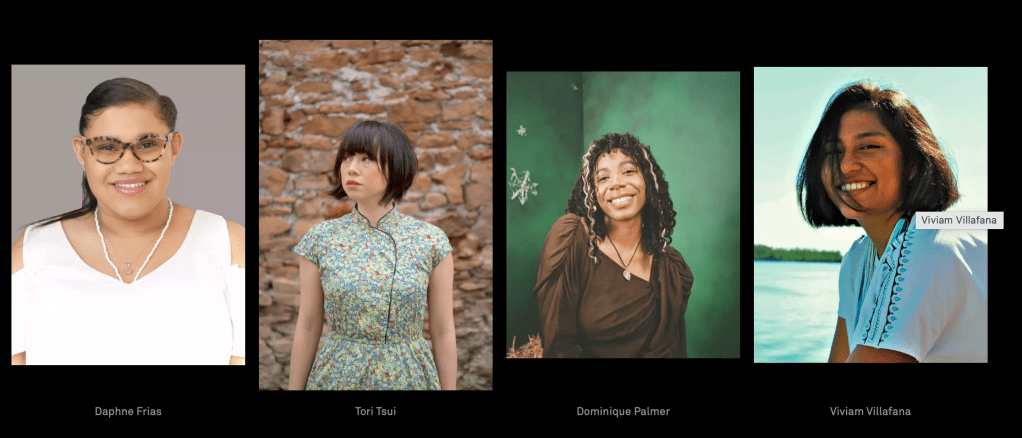
A climate crisis discussion between Greta Thunberg, Tori Tsui, Vanessa Nakate [pulled out], Dominique Palmer, Daphne Frias, Mya-Rose Craig and Ati Viviam Villafaña, with Alice Aedy.
An amazing group of young climate leaders from around the globe gathered at The New York Times Climate Hub during COP26 in November 2021.
Their roundtable discussion mainly centred around how essential it is to be intersectional in the approach to the climate crisis.
Now, almost two years later, the group reconvenes to take stock of the climate crisis, examine what progress has been made, and ahead of COP28 later this year, discuss what action we are still not seeing from our world leaders.
This conversation is chaired by documentary photographer, film-maker and campaigner Alice Aedy.
From the Southbank website – my emphases
Background
Last year the Southbank hosted Greta Thunberg for the launch of her book The Climate Book, covered by me in this blog. The then CEO committed to make environmentalism core to the Southbank’s values. Then it was reported that the Southbank was going to plant 390 trees outside the gallery in a pocket forest, which hasn’t happened yet, and I don’t think it will, given there is no space for such a huge numbers of trees.
Like last year, Piers Corbyn hung about outside with his merry band of climate deniers, despite the rain, and the Southbank again employed extra security staff to check bags. There was also a police presence. Corbyn and his protestors behaved well, shouting about Greta Thunberg’s hypocrisy and that small children mine for cobalt necessary for electric cars. They were mainly ignored except for a Greta fan who verbally abused Corbyn and then jumped the queue to get into the Southbank. I got a Just Stop Oil leaflet from an earnest young man and a ‘Zexit’ leaflet from Corbyn himself, who noted, rather sadly, that I was there to see Greta.
I was gobsmacked that almost all the seats had been sold. This was for an event starting at 8pm on a Sunday evening. It started about fifteen minutes late as people straggled into the hall delayed by the extra bag checks (zero fucks given to those with trains to catch). Perhaps the worry was that some anti-environmental protestors might ruin their event by throwing powdered paint everywhere? Needless to say the overwhelmingly youthful eco-conscious audience were all waving their mobile phones around whilst waiting for the entertainment to arrive.
A welcome from the Chief Executive
The aim of the Southbank’s ‘Planet Summer’ was to inspire us all to make changes to address the climate crisis. The Southbank has pledged to make itself ‘Net Zero’ – whatever that means. It was extremely costly to transform a 1950s building but it is pleading with the government to help pay for the upgrades. On stage beside the CEO were seven electric lights purely for decoration and a screen above projecting her image to the hall, which one might say was unnecessary and wasteful, given the severity of the situation they say we’re in.
Very long round of applause
Alice Aedy was head girl, managing the panel, which I’m sure comes naturally to her. When Aedy isn’t trampling on bluebells, she likes talking about the Hackney home she has made with her boyfriend in a renovated shoe factory – see the Times article about their lives here and the Country and Townhouse article.
Aedy introduced her fags to us, describing them as ‘so painfully humble’ but urged us to give another round of applause regardless. She told us that it was the hottest July ever recorded (not in the UK, it isn’t) and that there were extreme weather events escalating globally. The UN Secretary General had announced just a few days before that ‘the era of global warming had ended, and the era of global boiling has arrived’. Meanwhile it was raining and cold outside.
The young women assembled before us, are apparently at the frontline fighting against global fossil fuel giants, and thus our saviours. Like nuns marrying the Church in previous times, these girls are wed to climate justice activism and moreover the friendship of each other. And they were rewarded throughout with round after round of rapturous applause.
Aedy introduced the panel one by one, never has there been more Saffy-energy on a panel.
Daphne Frias – the Latina, disabled activist
American and 25 years old, Daphne Frias uses a wheelchair due to cerebral palsy, according to her website, but appears to have no spasm or speech defects normally associated with the condition. Frias robotically told us how excited she was to be with her friends again, which was laughable as there was palpably zero chemistry between the assembled Saffies. Frias told us she loved all her identities but was troubled that she saw so little of her communities reflected in the fight. So, not principally bothered by environmentalism at all then? If I was an American environmentalist my principal concern right now would be the Ohio train derailment in February 2023, which spilled toxic chemicals from five tankers (reported widely by the media but soon forgotten). But these young ladies aren’t environmentalists, they’re climate activists. And that’s the difference.
Growing up in West Harlem she experienced racism but it was only when she went to high school which was predominantly white and in a white area that she realised how the other half lived, so to speak. These white people had grocery stores which didn’t take fifteen minutes to travel to and vegetables which looked like actual vegetables. Frias wanted to move our hearts with words. Love was the core of the movement.
Little Greta speaks
Poor little Greta, it was her name and face which had gotten people in through the door, but throughout she was relegated to being a mere equal. She looked disconsolate and uncomfortable throughout with the others speaking much more. What she said was typically vague and her pauses belied a lack of confidence in her words. Greta has never experienced the effects of the climate crisis, it is through learning about how it affects other people though that she has been moved to fight for it. It wasn’t about polar bears or melting glaciers, it was actually happening everywhere. We could all do it something about it. She just needed love for the planet and for her fellow activists.
Tori Tsui, a ‘she/they’, and mental health advocate
Next up was another obvious private school product, Tori Tsui, originally from New Zealand but grew up in Hong Kong and, according to Wikipedia, has a Master of Research in Ecology, Evolution and Conservation from Imperial College (if you thought this would mean she was going to blind us with some science – wrong). From the list of articles on her website, her focus is on talking about how the climate crisis affects her own mental health, including articles in the glossies, like Marie Claire and Vogue.
After needing time to rest and recuperate over the past year, Tsui is planning to make a more conscious effort in 2023 to find time for her hobbies, including foraging and photography, as well as the small pleasures of regular naps and playing with her cat.
From Vogue article on Tori Tsui, January 2023
Vogue puff pieces aside, Tsui began by opining that climate activism really was rather unglamorous, boring and mundane, but it required the effort of ‘everybody in the room’.
Tsui claimed victory with the #StopCambo campaign, she had shut down a proposed oil field near Shetland, stopping 170 million barrels of oil being burned. Predictably this drew huge applause. However, this Guardian article confirms that Shell only wanted to sell of its stake in the project. Tsui admitted there was a new threat, a site called Rosebank. Rosebank is in the Shetlands, i.e. the exact same location of her previous amazing success. Tsui rather talked about Cambo and Rosebank as if they were two entirely separate issues and, in describing Rosebank, we learned this site was three times the size of Cambo, meaning that instead of rolling back, the proposed oil field had gotten far bigger. Tsui told us that the CO2 it would produce more emissions than ’28 entire countries’ (conveniently dropping the word ‘poor’ – see video below).
Tsui told us we could all be a part in stopping Rosebank and be part of ‘victory’, which provoked more rapturous applause. After it died down Frias interrupted before the next turn was introduced. She wanted to tell us that her experience of protesting Rosebank had been the most inclusive she had ever experienced, with all her transport needs being met.
Dominique Palmer from Fridays for Future
Like Greta Thunberg, Dominique Palmer is part of the Fridays for Future collective and is available to hire as a keynote speaker from the London Speaker Bureau. She has also adorned the pages of Vogue. Intersectionality is Palmer’s focus in the climate movement.
However, Palmer is also concerned about air pollution and informed us that she had lived in Lewisham, where ethnic minorities lived and were disproportionately affected by air pollution, citing the case of Ella Kissi-Debrah, the little girl who had severe asthma, who is said to have died from air pollution (and the inspiration for Sadiq Khan’s expanded ULEZ scheme). Climate injustice was inextricably linked to social injustice, ergo her focus on intersectionality. We needed to make sure that climate policy didn’t ‘leave vulnerable and marginalised people behind’. Yet that is exactly what the ULEZ scheme is doing, which Khan has had to belatedly admit, now he is up for re-election.
Picking up on what Daphne said, there is actually so much that a lot of the movement can learn from marginalised communities, that have had no other choice but to believe that another world is possible, to believe that better is possible, and to fight for it, and that hope is something that is created and is built, and communities of colour, the LGBTQ+ chosen families, disabled communities, so many marginalised communities that have so much experiences in cultivating in a culture of care, in creating resilience and in resistance, and cultivating joy and there’s actually so much that can be learnt and can be applied to the wider climate movement.
Dominique Palmer on intersectionality in the climate movement – simply inspirational!
The ‘ornithologist’ and anti-racist activist – Mya Rose Craig
Aedy drew our attention to the fact that Mya Rose Craig was awarded an honorary doctorate aged just 17 (this was by dint of the fact that she had seen half of the world’s birds by this time, AKA having parents rich enough to travel all four corners of the world). Like the others (except little Greta, of course, who merely has autism), well heeled Craig is oppressed because she is non-white. She was 11 years old when she did her first campaign. Referring to herself in the third person, she informed us that when she looked back at ‘that 11 year old girl’ she realised that ‘she was extremely angry’ about the future. As she is half-Bangladeshi, and Bangladesh was suffering more effects of climate changes than other countries, she was especially affected, claiming that her family lived in villages in the countryside. She said that Western media had little interest in reporting on environmental problems affecting the ‘other side of the world’, mentioning an oil spill in Bangladesh which spread out into a mangrove forest.
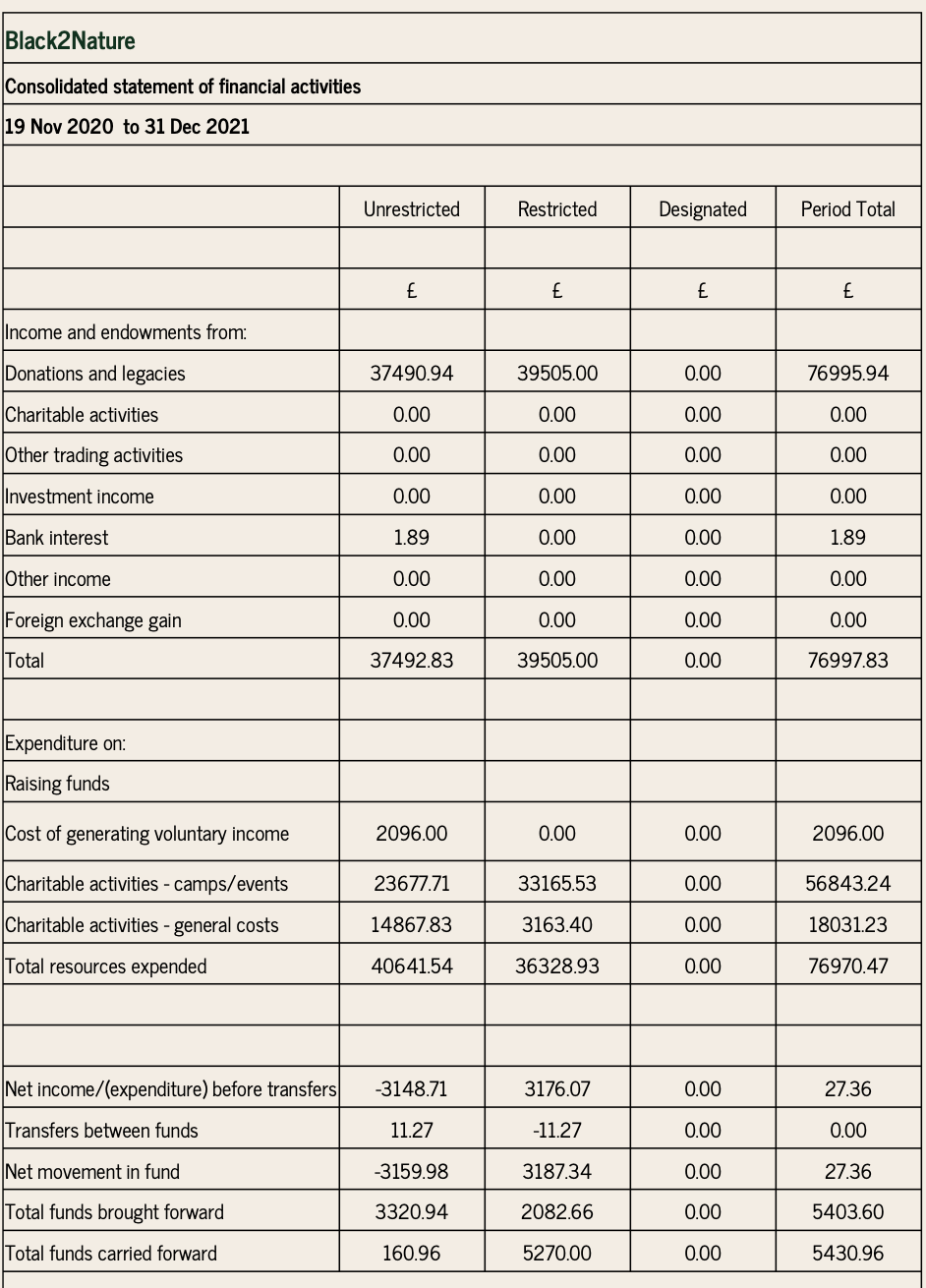
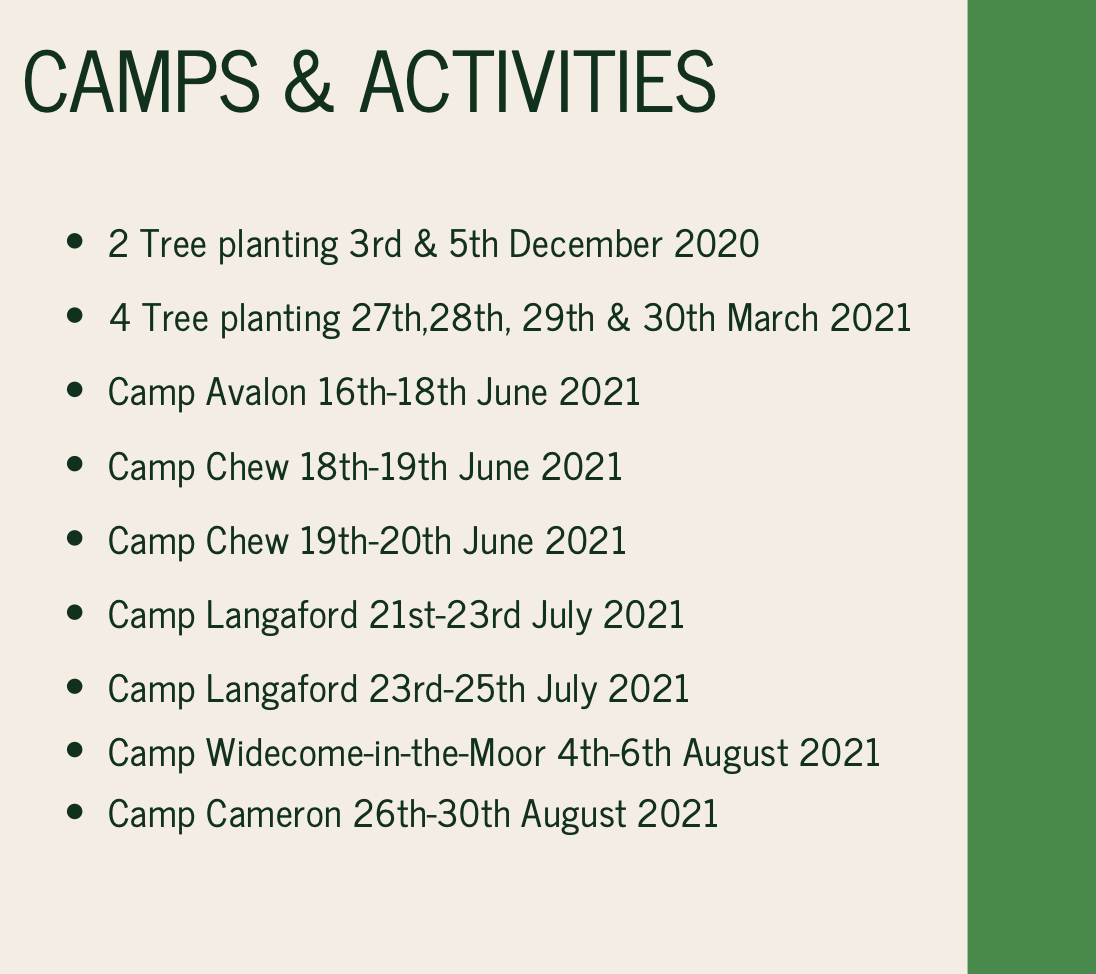
Craig is also an anti-racist activist and set up a charity called Black2Nature which campaigns ‘for equal access to nature for all but concentrate on VME communities who are currently excluded from the countryside’ (i.e. it sails close to excluding people because of their colour). This presented an opportunity to be intersectional i.e. to be ‘anti-racist’ in the environment. Interestingly the charity’s accounts show it received approximately 77K in donations, which is roughly how much how much it cost them to run a handful of summer camps and plant a few trees. Mum is trustee. Fancy that!
Craig claimed that previously the climate movement was dominated by white middle class people, whereas now it is merely middle class people of colour.
Ati Viviam Villafaña, the indigenous non-English speaking activist
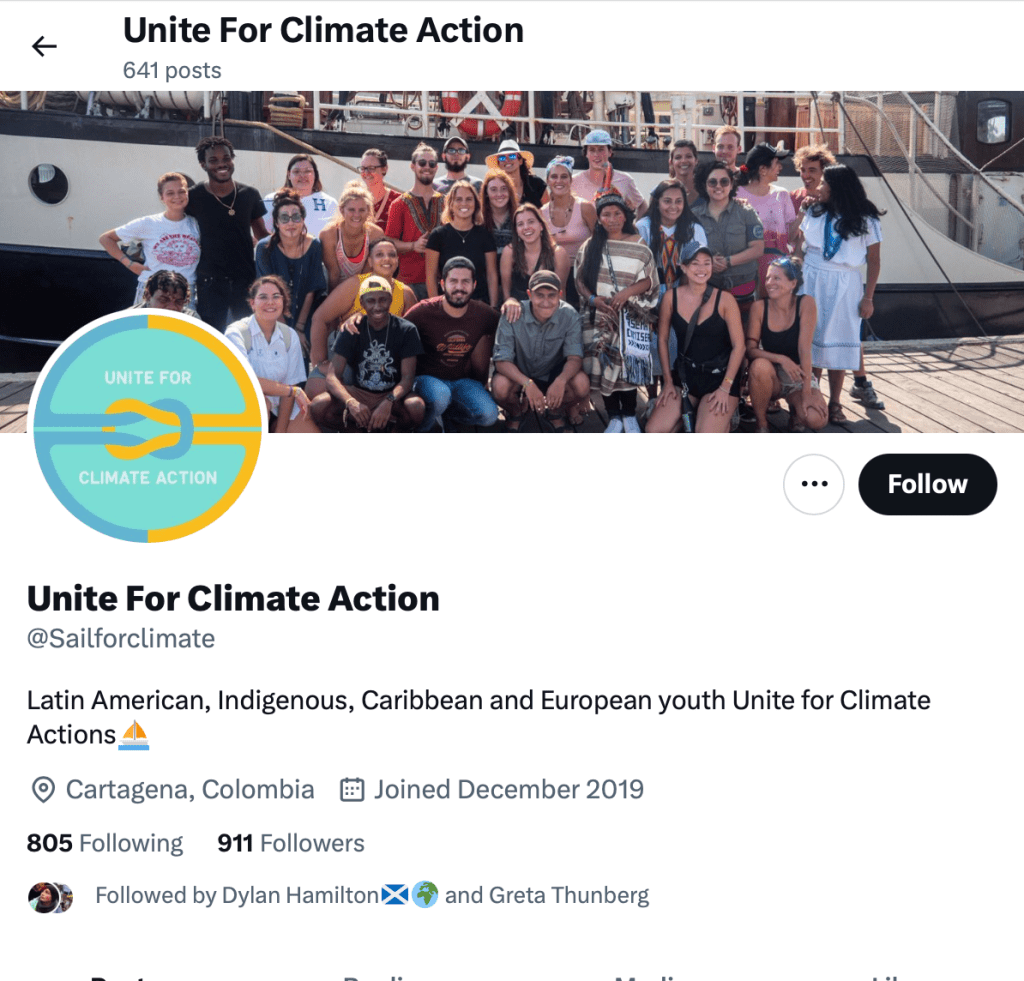
Last up was Ati Viviam Villafaña (another she/they) from Unite for Climate Action, which currently doesn’t even have its own website and very few followers or posts on its Twitter account. Its Instagram has more engagements and a link to a website which no longer exists and mainly posts photos of attractive hopeful young people. Villafaña knows Tori Tsui from their Sail for Climate Action action, sponsored by fashion designer and multi-millionaire Stella McCartney and involved the participants wearing branded Stella McCartney products.
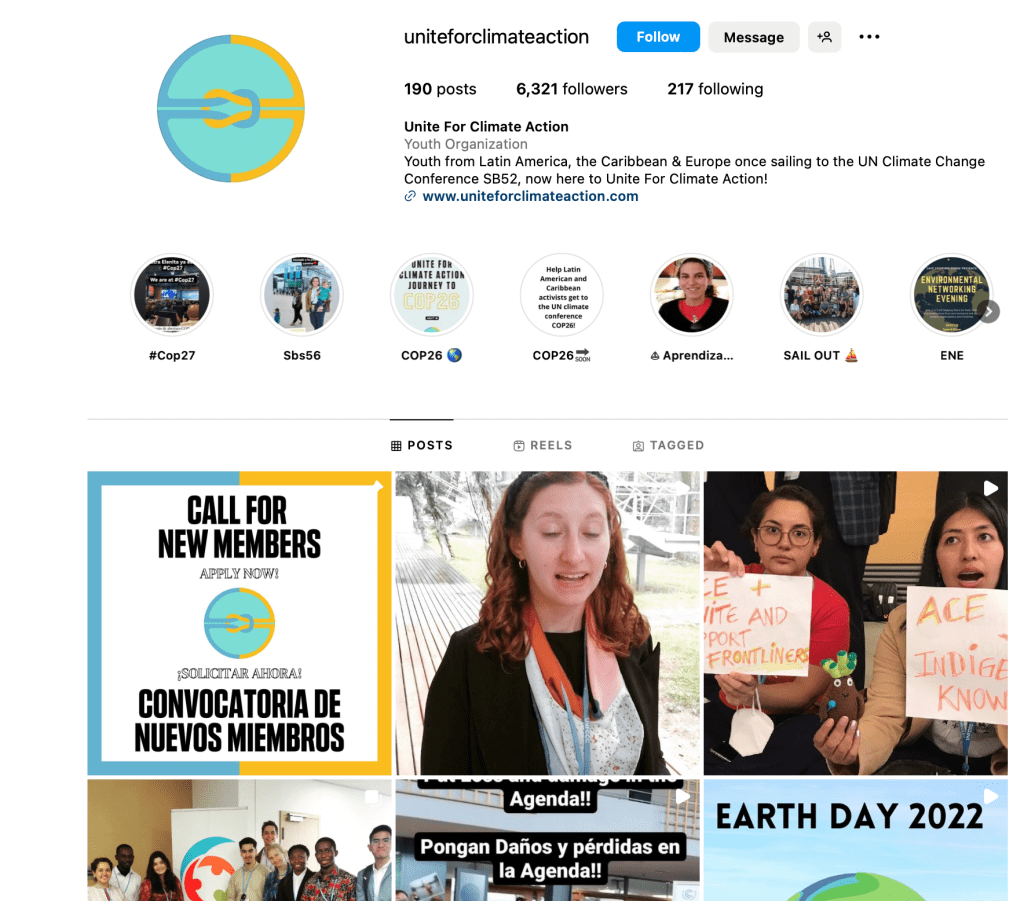
Aedy wanted Villafaña to tell us why it was important that indigenous communities were involved in climate activism. Villafaña, apparently unable to speak or understand English, had her translator dutifully taking notes whilst she spoke and then read back her entirely predictable uninspiring responses. Her narrow frame of reference was she was representing ‘people from different languages’ which helped those ‘languages come alive’ (as if there was some dearth in the numbers of Spanish speakers).
Villafaña went on to claim that the part of Colombia she was from was the ‘heart of the world’ (clashing, surely, with certain other activists, but I digress) because of the ancestral knowledge and wisdom the tribes had (child sacrifice notwithstanding). She told us that it was only in 1991 that indigenous people in Colombia were recognised as having human qualities. It was important therefore that indigenous people had representation in climate activist spaces.
Villafaña moved onto her final gripes, Anglophile countries were making all the important decisions about climate policy (an extremely feeble claim) and that inviting indigenous people to these types of conversations reeked of tokenism. (It was at this point I let out a huge sigh, was no one really going to talk about one single environmental issue?)
She claimed she was involved in setting an organisation called Latin American Youth Climate Scholarships, which would offer just 12 youths from Latin America the chance to face the heady conference atmosphere of SB58 in June 2023 (Bonn Climate Change Conference), COY18 in November 2023 (Conference of Youth) and COP28 in December 2023 (so she was talking about a programme which had already been filled). There are a number of these type of scholarships about, none of which appear to be too concerned about participants having science degrees or research behind them, see here for Race to Resilience and here from YOUNGO.
The discussion
Introduction over it was now time for a ‘discussion’.
Annoying questions
What is the single most annoying question you get asked? Aedy wanted to know.
Tsui didn’t take the question lightheartedly and sternly talked about the ‘insurmountable pressure’ on their young shoulders and that people like us – the audience – were looking at them thinking ‘oh, they’ll do the work’. (I expect some in the audience were exploding with Climate Guilt at this point, not me though.)
Palmer was quick to follow suit, making the same point in a breathless remonstrance.
Frias went with ‘we want to reclaim our youth’ and would turn the question back on itself (i.e. not the question Aedy had asked, but the one Tsui had made it into) and ask people ‘Did they not have hope in themselves?’ One second later she opined that hope did not have to be ‘this existential feeling’.
The young and old shouldn’t be pitted against one another, said Craig, which begged the question as to why this movement is so mono-generational. She complained that it was ‘a narrative’ that it was young people leading the fight and blamed greedy corporations for this and terrible government decisions.
Villafaña started answering in fluent English. I’m guessing she momentarily forgot that she needed translation and told us that ‘it was a fight for everyone,’ before reverting to Spanish again and the ridiculous pantomime of translation.
Fossil fuels
Aedy asked Greta how could they ensure that fossil fuels remain on the agenda for COP28?
Greta responded all they could do was ‘raise our voices’. An unimaginative response from the world’s most prominent climate activist, no? What about proposing solutions? She painted herself and her friends as Davids to the Goliaths of big business. Also, Greta: We can’t be blamed for not being more effective, and: We need everyone to do something to change everything. Rest assured Greta has her beady eye on those who have power who aren’t doing enough.
Craig thought we should remind politicians that people who care about climate change had votes. These politicians were so desperate for votes they would listen to whatever you say, but then revealed that MP was Jacob Rees Mogg, who she was constantly contacting to no avail.
The make up of the panel proved that anyone could get involved in activism, said plummy Palmer. Plus Palmer actually has family in Jamaica, actually. And has actually seen the impact of rising sea levels, so nur.
Tsui complained about the Science Museum having been sponsored by ‘incredibly polluting organisations’ and that this created an insidious narrative that fossil fuels were essential. She didn’t want any kind of association with the fossil fuel companies, saying, through gritted teeth, ‘I want them not to exist’. I guess she’s a #NoDebate kind of girl.
They have made billions and billions in profit and they have murdered front line communities. They have known about the science since the seventies and yet they still continue to delay climate action. It was a crisis of denial, now it’s of delay. They know they can’t deny the science and they are buying themselves as much time as possible and we see that happening. Some internal documents* from the United States show that Shell, besides trying to roll out renewables, was trying to buy themselves as much time, using carbon capture methods, using marketing. They are not here for us. And please do not get it twisted thinking they will save us, because they won’t. We have seen this time and time again. In no future we will have fossil fuels leading the change.
Tori Tsui on fossil fuels
* This is probably the internal documents reference.
Craig talked about Bangladesh and said that its economy was dependent on the fashion industry. Of course, the fashion industry is very wasteful and Craig thought ‘collaborative talks’ could be had about how those factories could be repurposed. Uncomfortable talking too much about how that could possibly be achieved, Craig returned to talking about her charitable organisation, Black2Nature. Days out in nature talking about climate change and faraway lands was really helpful as it included people (i.e. black people) who had never thought of themselves as being instrumental in, well, anything really. (In other words, the same old paternalism they accuse the other side of.) This education of a black underclass would provide the foundation of a climate utopia and ensure it didn’t crumble under the slightest of pressure.
Funny, here was me thinking climate utopia would be the harnessing of a freely available neutral energy source.
The impact on disabled communities
Aedy wanted Frias to take about how the climate crisis was affecting ‘disabled communities’. During evacuation procedures disabled people were often forgotten was her weak response. Not only that, but in a rapid evacuation, disabled people had to leave behind wheelchairs and life saving devices. Frias gave not one thought to the disabled people in developing countries who wouldn’t have access to those peripherals in the first place.
Frias also complained that disabled people were also villainised by the climate movement, giving the example of the banning of plastic straws, making it difficult for those with eating difficulties to imbibe. Paper straws, Frias correctly pointed out, are shit. Blaming plastic straws instead of fossil fuels was the wrong way to go about things (although all manufacturing processes will rely on fossil fuel energy in some way).
The climate movement should look to the disabled community, because they already have the answers to solve the climate crisis as they were able to adapt to pretty much any changes thrown at them (paper straws notwithstanding). For example, sharing wheelchairs with each other. ‘Ya, we are .. pretty awesome,’ reflected Frias nonsensically. Then she chided the people in the audience who had taken an elevator that day. I mean this is literally how petty these people are, sat under their stage lights.
Confession
There was another twenty-five minutes of talk after that, talk which I drifted in and out of, gradually noticing people starting to creep out of the hall, I checked my watch – 9.45pm already! So I discreetly crept out too (top tip- always book an aisle ticket). Even several minutes later after I had used the loos and descended stairs bleary-eyed, the event was still going on. They might still be there for all I know, navel gazing.
Conclusion
According to the blurb for the event, the focus of discussion was supposedly to ‘discuss what action we are still not seeing from our world leaders’, not intersectionality, that having been discussed the previous time they had met. Yet intersectionality was all they could talk about, without a single mention of the science behind climate change or possible technological innovations. If Greta and her friends really believe the world is burning and we only have ten years left, why bother worrying about perceived or real inequalities anyway?
And on the topic of intersectionality, the panel’s diversity should have actually been called into question. A bunch of middle class young women, above average in looks, all clean cut – this is not diversity. All clearly come from privileged backgrounds, hence the likes of Vogue being interested in their ‘personalities’. Interesting also that a couple were superficially claiming trans identities, indicated by preferred pronouns. Similar to trans activism, when you dig below their social media presence you see accounts which lack any genuine engagement and empty shell organisations.
Frias was the only one who made a point worth exploring further, the scandal of banning general use of plastic straws, a move which will have had zero impact on the climate, pure virtue signaling in fact, to the detriment of those who cannot eat and drink. These activists claim they want to be Net Zero; however, this is just clever marketing; no one in the movement is truly committed to the ideals they espouse, otherwise appearing in Vogue would be antithetical to them.
Thank you for reading! Sign up to my blog by going to the bottom of the page.
Please share on other forums if you liked it, as I only do Twitter.
 The Lies They Tell
You must be logged in to post a comment.